
Exploring the impact of cultural beliefs on gambling behavior
Cultural Perspectives on Gambling
Cultural beliefs shape our understanding of many activities, including gambling. In some societies, gambling is viewed as a form of entertainment and social bonding, while in others, it may be associated with taboo or moral objection. These differing perspectives influence individual choices, resulting in varying levels of participation in gambling activities. In cultures where gambling is accepted, it often becomes a communal activity, with social events revolving around games of chance and bitcoin sports betting providing an exciting dimension.

The acceptance of gambling also often correlates with the historical context of the region. For example, in countries with a rich history of gaming, such as Las Vegas in the United States, gambling is interwoven with local culture and tourism. This creates an environment where gambling not only thrives but is celebrated as part of the local identity.
The Role of Religion in Gambling Behavior
Religion plays a significant role in shaping attitudes toward gambling. Many religions have specific doctrines that condemn gambling, viewing it as a vice that can lead to moral decay. This is particularly evident in communities where religious beliefs dictate social norms and behaviors. Consequently, individuals raised in these environments may carry negative perceptions of gambling, leading to lower participation rates.
Conversely, some cultures integrate gambling into religious practices or festivities, viewing it as a way to connect with the divine or celebrate community spirit. In these contexts, gambling is not only accepted but celebrated, contributing to a more positive attitude toward this activity.
Socioeconomic Factors Influencing Gambling
The socioeconomic status of individuals often intersects with cultural beliefs, influencing gambling behavior. In wealthier communities, gambling can be a leisure activity, often associated with high-stakes events and luxury experiences. In contrast, among lower socioeconomic groups, gambling may be seen as a means of financial escape, leading to a higher likelihood of problematic gambling behaviors. These contrasts highlight the diverse cultural perspectives on gambling.
Furthermore, accessibility to gambling facilities also affects how culture influences behavior. In regions where casinos and betting shops are prevalent, gambling may be more normalized and integrated into daily life. On the other hand, areas where gambling is limited might foster a stigma, affecting the attitudes of individuals towards participation.
The Impact of Technology on Gambling and Culture
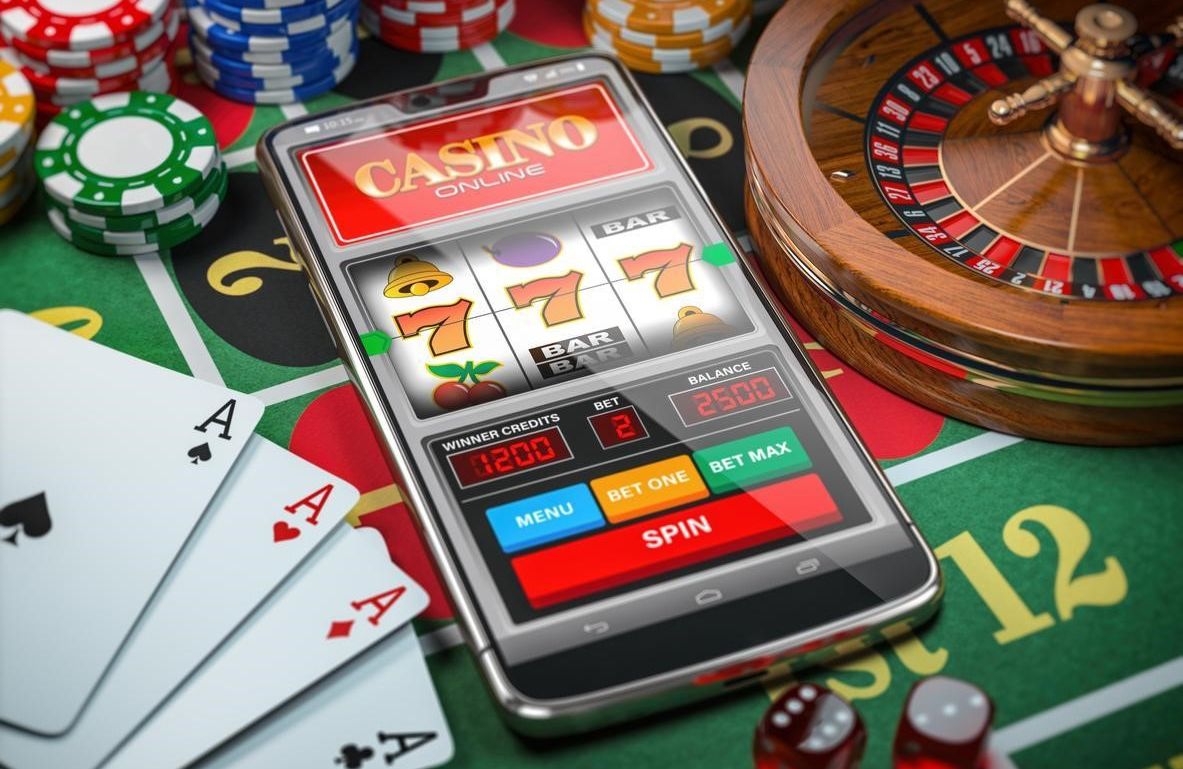
As technology advances, cultural attitudes toward gambling are also evolving. The rise of online gambling platforms has democratized access, allowing individuals from various backgrounds and beliefs to engage in gambling activities from the comfort of their homes. This shift can challenge traditional cultural norms, as younger generations may adopt more liberal views on gambling.
Moreover, the integration of cryptocurrencies into gambling has further transformed the landscape, appealing particularly to tech-savvy individuals. This phenomenon raises questions about how cultural beliefs might adapt in response to new gambling technologies, creating a dynamic interplay between tradition and innovation.
Your Ideal Destination for Informed Betting Choices
For individuals looking to navigate the complex world of gambling, understanding cultural beliefs is essential. This awareness can empower users to make informed decisions about their betting behaviors, aligning them with their values and societal norms. Our platform serves as a comprehensive resource for those interested in gambling, offering insights into various cultural perspectives and their impact on gambling behavior.
By providing expert reviews and transparent information, we aim to elevate the betting experience for users. Whether you are a seasoned gambler or a newcomer, understanding the cultural context surrounding gambling can enhance your approach and enjoyment of this age-old practice.